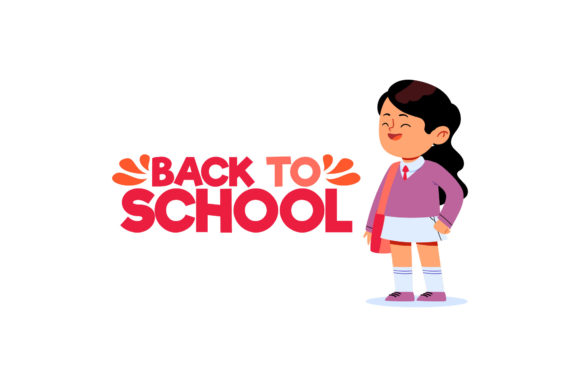
The Ultimate Guide to Back to School Concept Graphic Art: Digital Designs for Modern Education
As summer draws to a close and the familiar rhythm of the school year approaches, educators, parents, and creators alike search for fresh, engaging ways to celebrate the season. One area that has grown tremendously in recent years is back to school concept graphic art—a versatile category of digital design that captures the excitement, nostalgia, and energy of the academic return. Whether you are a teacher looking to decorate your classroom, a small business owner creating promotional materials, or a parent crafting personalized stationery, understanding this type of graphic art can open new doors. In this guide we will explore what back to school concept graphic art is, why it holds such significance, how it fits into modern life, and how you can get the most out of digital files like AI, EPS, SVG, DXF, JPG, and PNG formats.
What Is Back to School Concept Graphic Art?
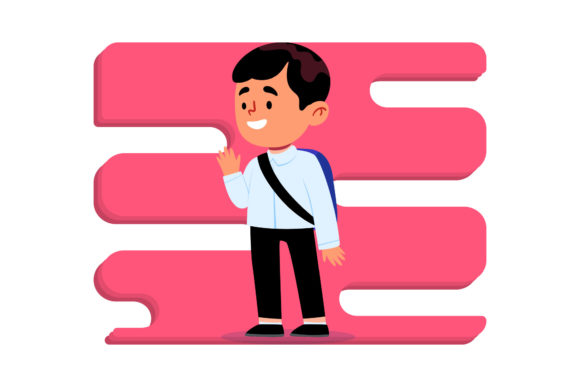
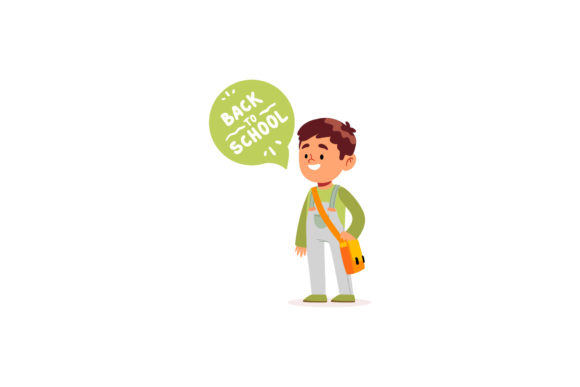
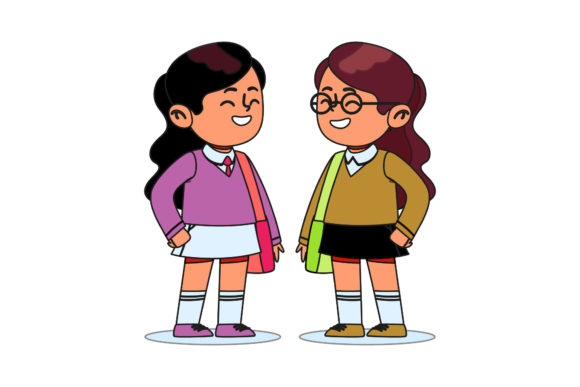
At its core, back to school concept graphic art refers to visual designs created around the theme of returning to education. These designs often feature iconic imagery: pencils, books, apples, school buses, chalkboards, backpacks, rulers, and cheerful typography. But it goes beyond mere illustration. Concept graphic art blends artistic creativity with a specific message—typically one of learning, growth, organization, and fresh starts. The designs are created using digital tools and are delivered in multiple file formats so they can be used across a wide range of applications, from print to web to craft projects.
The product mentioned in this article, for example, includes six digital files with a canvas size of 1920px by 1280px, offered in AI, EPS, SVG, DXF, JPG, and PNG formats. Each format serves a different purpose, ensuring flexibility for designers, crafters, and everyday users. This variety is what makes back to school concept graphic art so valuable: it is not limited to one medium or one skill level.
The Purpose and Significance of Back to School Graphic Art
Back to school concept graphic art serves multiple purposes, both practical and emotional. On a practical level, it provides ready-made visual assets that save time and effort. Instead of designing from scratch, teachers, parents, and creators can access high-quality artwork that is already themed and polished. This is especially important during the busy back-to-school season when time is scarce and the need for engaging materials is high.
On a deeper level, this type of art taps into the universal experience of starting a new school year. It evokes feelings of anticipation, organization, and possibility. For children, it makes the transition from summer to school feel more exciting. For educators, it helps create a welcoming classroom environment. For businesses, it signals relevance and timeliness. Back to school concept graphic art is not just decoration—it is a communication tool that speaks to a shared cultural moment.
The significance extends to branding as well. Many small businesses and schools use these designs to create cohesive visual identities for the academic year. From flyers and social media posts to bulletin boards and merchandise, the right graphic art can build recognition and trust. It is a subtle but powerful way to connect with an audience that is already thinking about education.
Practical Applications in Modern Life and Business
Where can you use back to school concept graphic art? The possibilities are nearly endless, but here are some of the most common and impactful applications:
- Classroom Decor: Teachers can print PNG or JPG files to create posters, name tags, door decorations, and bulletin board displays. SVG files can be used with cutting machines to make vinyl decals for walls or windows.
- Educational Materials: Worksheets, lesson plan covers, assignment sheets, and reading logs can all be enhanced with themed graphic elements.
- Social Media Content: Use the art for Instagram posts, Facebook banners, Pinterest pins, or YouTube thumbnails to celebrate the season and engage your audience.
- Print-on-Demand Products: Create custom t-shirts, tote bags, mugs, notebooks, and stickers using the SVG or EPS files. This is a popular avenue for small business owners and Etsy sellers.
- Personal Projects: Parents can design personalized school supplies, lunchbox notes, or photo props for the first day of school.
- Newsletters and Emails: Add a touch of seasonal flair to school newsletters or parent communication with embedded JPG or PNG images.
The beauty of back to school concept graphic art lies in its adaptability. Because the files come in multiple formats, you can use them in Microsoft Word, Canva, Adobe Illustrator, Cricut Design Space, Silhouette Studio, and many other platforms. This cross-compatibility is a major advantage for both beginners and experienced designers.
Understanding the Digital File Formats
One of the most common points of confusion for newcomers is understanding what each file format does. The product mentioned includes six formats: AI, EPS, SVG, DXF, JPG, and PNG. Here is a clear breakdown of each:
- AI (Adobe Illustrator): This is the native editable vector format for Adobe Illustrator. It retains all layers, paths, and text, making it ideal for professional designers who want to customize colors, shapes, and sizes without losing quality.
- EPS (Encapsulated PostScript): A versatile vector format that can be opened in many graphic design programs, including older versions of software. It is widely used for printing and professional publishing.
- SVG (Scalable Vector Graphics): This is perhaps the most popular format for crafters. It is resolution-independent and works seamlessly with cutting machines like Cricut and Silhouette. It also displays well in web browsers.
- DXF (Drawing Exchange Format): Originally developed by Autodesk, DXF is commonly used for CAD and certain cutting machine software. It is a solid choice for precision cutting and engineering-style applications.
- JPG (Joint Photographic Experts Group): A standard raster image format best suited for photographs and complex artwork. JPG files are smaller in size and widely compatible, but they lose quality when resized larger than the original canvas.
- PNG (Portable Network Graphics): Like JPG but with support for transparency. PNG files are excellent for web use, overlays, and layering on other backgrounds. They maintain higher quality than JPG for graphic art with sharp lines and text.
Having all six formats means you never need to worry about compatibility. Whether you are cutting vinyl, printing a flyer, or editing in a vector program, you have the right file ready to go.
How to Use Back to School Graphic Art in Your Projects
If you are new to working with digital graphic art, do not worry. The process is straightforward, and the included files make it easy. Here is a step-by-step approach for different use cases:
- For Printing: Open the JPG or PNG file in any image viewer or editing software. Adjust the size to your needs (remember that 1920x1280 pixels is a good starting point for standard prints). Print on cardstock, photo paper, or adhesive paper for stickers.
- For Cutting Machines (Cricut, Silhouette): Import the SVG or DXF file into your cutting software. The vector nature means you can scale it up or down without losing sharpness. Make sure your machine is calibrated for the material you are using (vinyl, cardstock, iron-on, etc.).
- For Vector Editing: Open the AI or EPS file in Adobe Illustrator, CorelDRAW, or Affinity Designer. Here you can change colors, rearrange elements, add text, and combine with other designs. This is the most flexible approach for custom projects.
- For Web and Social Media: Use the PNG file if you want a transparent background, or JPG if a solid background is fine. Upload directly to your platform. Resize as needed using free tools like Canva or Pixlr.
One tip for beginners: start with the PNG or JPG if you just need a quick result. As you grow more comfortable, experiment with SVG for cutting and AI for deep customization. The variety of formats allows you to learn at your own pace.
Common Misunderstandings About Digital Graphic Art Files
Many people assume that vector files (AI, EPS, SVG, DXF) are too complicated for casual use. In reality, SVG is extremely user-friendly and widely supported in free and paid software. Another misunderstanding is that JPG is always lower quality. While JPG does compress data, it is perfectly fine for many print and web applications when saved at high resolution. The key is matching the format to the task. For example, do not use JPG for a wall decal project—use SVG or DXF instead. Similarly, do not use SVG for a photo-heavy newsletter—use PNG or JPG. When you understand what each format excels at, you avoid frustration and get better results.
Another common myth is that digital graphic art is only for professional designers. This is not true. The files are designed to be accessible. The product description itself says "Easy to edit and use in your designs." With a little guidance, anyone can open a PNG file and print it, or import an SVG into a cutting machine. The barrier to entry is low, and the rewards are high.
Tips for Beginners Getting Started with Graphic Art
If you are new to the world of back to school concept graphic art, here are some practical tips to help you succeed:
- Start Simple: Choose one or two formats to begin with. PNG and JPG are the easiest because they require no special software. Print them or upload them directly.
- Explore Free Software: Programs like Inkscape (for vectors) and GIMP (for raster images) are free and powerful. They can open AI, SVG, EPS, and other formats.
- Watch Tutorials: There are countless YouTube videos showing how to use SVG files in Cricut Design Space or how to edit EPS files in Illustrator. Learning visually can accelerate your understanding.
- Test Before You Commit: Always do a test print or test cut with plain paper before using expensive materials. This helps you catch sizing or alignment issues early.
- Keep a Backup: Store your purchased files in a cloud folder or external drive. Digital files are durable, but it is good practice to have a backup.
- Customize Thoughtfully: If you edit the vector files, maintain the original spirit of the design while adding your personal touch. This is especially important for classroom materials where clarity and readability matter.
The Role of Back to School Art in Education and Creativity
Beyond the practical uses, back to school concept graphic art plays a role in fostering creativity and engagement in educational settings. Visual stimuli have been shown to improve memory, attention, and motivation in learners. A well-designed classroom poster or a themed worksheet can make a student feel more connected to the material. For teachers, having access to attractive, professionally designed art saves time and reduces stress. For parents and students, creating personalized school items using these designs can be a fun bonding activity that builds excitement for the year ahead.
From a business perspective, back to school art remains a consistently popular seasonal category. Etsy shops, print-on-demand stores, and educational publishers rely on this theme every year. The demand is predictable and enduring. Investing in high-quality digital files with multiple formats ensures that you can meet this demand with minimum friction.
Conclusion: Embracing the Creative Potential
Back to school concept graphic art is far more than a collection of cute images. It is a practical, flexible, and emotionally resonant resource for anyone involved in education, parenting, design, or small business. With the right files—such as the six-format product described here—you have everything you need to create, customize, and share your vision. Whether you are printing a banner for a classroom, cutting vinyl for a laptop, or designing a social media campaign, these digital assets make the process smooth and enjoyable.
As you explore this creative space, remember that the best results come from understanding the tools at your disposal. Take time to learn the differences between AI, EPS, SVG, DXF, JPG, and PNG. Experiment with small projects first. And most importantly, let the art reflect the excitement and promise of a new school year. The back-to-school season is a time of fresh starts—and with concept graphic art, you can make that fresh start visually unforgettable.
Thank you for reading, and I hope this guide has given you a deeper understanding of how to use and appreciate back to school concept graphic art. Whether you are a seasoned designer or a complete beginner, these digital files offer a world of creative possibility.