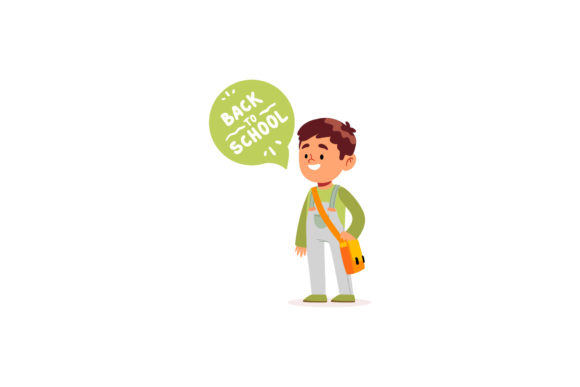
Back to School Student Bubble Text Art: A Creative Guide to Digital Design for Educators and Parents
Every autumn, classrooms, bulletin boards, and learning materials undergo a colorful transformation. Among the most popular trends in educational design is back to school student bubble text art—a playful, rounded lettering style that captures the energy and optimism of a new school year. Whether you are a teacher preparing your classroom, a parent creating a welcome sign, or a designer crafting educational resources, understanding this art form can elevate your projects and engage young learners.
This article explores everything you need to know about bubble text art for back-to-school themes. We will break down what it is, why it resonates with students and educators, how to use digital file formats effectively, and how you can apply these designs in modern education and creative work. By the end, you will have a clear understanding of how to make the most of this versatile visual tool.
What Is Bubble Text Art and Why Does It Matter for Back-to-School?
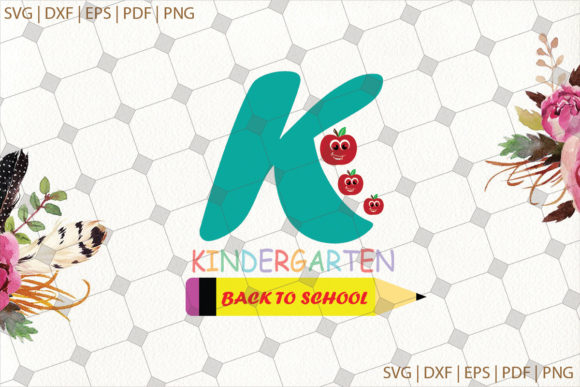
Bubble text art, sometimes called balloon lettering or rounded typography, features letters that appear puffy, soft, and three-dimensional. Unlike sharp serif fonts or minimalist sans-serif styles, bubble letters feel approachable, friendly, and fun. When combined with back-to-school themes—pencils, apples, books, and smiling faces—the result is a visual language that speaks directly to children and young students.
The back to school student bubble text art style is not just about decoration. It serves several important purposes in educational settings:
- Attention-grabbing: Young readers are naturally drawn to bold, rounded shapes. Bubble text stands out on bulletin boards, posters, and worksheets, helping key messages get noticed.
- Emotional tone: The soft, playful appearance of bubble letters conveys warmth and excitement, reducing the anxiety that some children feel at the start of a new school year.
- Readability for early learners: Beginning readers benefit from clear, spacious letterforms. Bubble text offers generous interior space and simple outlines that support letter recognition.
- Creative flexibility: Because bubble letters are essentially outlines, they can be colored, patterned, or filled with textures to match any classroom theme or school color scheme.
The Growing Role of Digital Art in Modern Education
In today's classrooms, digital resources are as common as chalkboards once were. Teachers regularly design their own materials using software like Adobe Illustrator, Canva, or Cricut Design Space. This shift has created demand for high-quality digital assets that are easy to customize and print.
A typical back to school student bubble text art product includes multiple file formats—AI, EPS, SVG, DXF, JPG, and PNG—each serving a different purpose. Understanding these formats helps you choose the right tool for your project:
- AI (Adobe Illustrator): Ideal for professional graphic designers who need to edit every vector point. You can change colors, resize without quality loss, and combine with other design elements.
- EPS: A versatile vector format compatible with many design programs. It preserves crisp edges and is widely used for printing.
- SVG: Perfect for web use and cutting machines like Cricut or Silhouette. SVG files are scalable and maintain sharpness at any size.
- DXF: A CAD-compatible format often used for laser cutting and engraving. If you are creating physical objects like wooden signs or acrylic decorations, DXF is the preferred choice.
- JPG and PNG: Raster formats for quick previews, social media sharing, and printing when vector editing is not needed. PNG supports transparency, making it great for layering.
Having all six formats in one product ensures that whether you are a seasoned designer or a beginner, you can open and use the files with the software you already have.
Practical Applications of Bubble Text Art in Back-to-School Settings
Now that we understand the basics, let's explore how this art form fits into real-world scenarios. The uses are more varied than you might expect.
Classroom Bulletin Boards and Door Decor
The first day of school often features a welcoming bulletin board. Instead of store-bought letters, teachers can print custom bubble text that spells out "Welcome Back!" or "Our Class Family." Because the files come in a 1920x1280 pixel canvas size, they are large enough to create impactful displays without pixelation.
Personalized Student Name Tags and Labels
Bubble text works beautifully for name tags, cubby labels, and desk plates. Teachers can type each student's name using the bubble letter style, creating a sense of ownership and belonging. The SVG format is especially useful here, as it allows easy customization with free software like Inkscape or with Cricut machines for cutting adhesive vinyl.
Worksheets and Learning Materials
When designing worksheets for young children, visual appeal matters. Bubble text headings can make instructions feel less intimidating. For example, a math worksheet with the word "Let's Count!" in cheerful bubble letters sets a positive tone. The JPG and PNG formats are quick to insert into Word or Google Docs.
Social Media and School Communication
Schools and parent-teacher organizations often share back-to-school announcements on Facebook, Instagram, or newsletters. A bubble text graphic with "First Day of School!" or "Meet the Teacher Night" catches the eye in crowded feeds. The PNG format with transparent background allows you to overlay the text on photos or school logos.
DIY Craft Projects for Parents and Students
Many families enjoy creating back-to-school crafts at home. Bubble text can be printed on cardstock for homemade cards, scrapbook pages, or bedroom door signs. With the DXF format, parents can even cut the design from wood or acrylic using a laser cutter for a durable keepsake.
How to Choose and Use Bubble Text Art Files Effectively
If you are new to working with digital design files, here are some simple guidelines to help you get started.
Match the Format to Your Project
- For printing at home or at school, the JPG or PNG files are the easiest. Open them in any image viewer, resize if needed, and print.
- For professional printing or large posters, use the AI or EPS files. Vector formats ensure that letters remain sharp even at billboard size.
- For cutting machines, use the SVG or DXF files. These formats include paths that the machine can follow precisely.
- For editing and customization, the AI file gives you full control over colors, shadows, and additional decorative elements.
Customize Without Overcomplicating
Bubble text art is already visually engaging, so you do not need to add too many extra effects. A simple color change to match your school's palette, or a soft drop shadow for depth, is often enough. If you are using the AI or EPS files, remember that the design is fully editable—you can adjust individual letters, add outlines, or fill them with patterns like polka dots or stripes.
Consider the Canvas Size
The product specification mentions a 1920x1280 pixel canvas size. This is a widescreen ratio (3:2) that works well for digital presentations, social media banners, and printed posters up to about 16x10 inches at 120 DPI. For larger prints, the vector formats (AI, EPS, SVG, DXF) are resolution-independent, so you can scale them up infinitely without quality loss.
Common Misunderstandings About Bubble Text Art
Despite its popularity, there are a few misconceptions that can lead to frustration. Let's clear them up.
Myth: Bubble text is only for young children.
Reality: While bubble letters are especially appealing to early elementary students, they are also used in middle school, high school, and even college contexts for themed events, spirit weeks, and club posters. The style can be adapted with more mature color schemes and modern fonts to suit older audiences.
Myth: You need expensive software to use the files.
Reality: Many file formats can be opened with free tools. Inkscape handles SVG and EPS files. GIMP opens PNG and JPG. Google Drawings can import SVG. For DXF files, free viewers like LibreCAD are available. The AI file requires Adobe Illustrator, but for many users, the SVG or PNG will suffice.
Myth: Digital files are one-size-fits-all.
Reality: The product includes six formats precisely because different projects require different file types. Using the wrong format can lead to blurry prints or cutting errors. Take a moment to match the format to your workflow, and you will achieve professional results.
The Significance of Bubble Text Art in Creative Learning
Beyond decoration, bubble text art supports cognitive and emotional development in children. When students see familiar messages in playful letters, they associate learning with positivity. Teachers who involve students in coloring or decorating bubble letters can also reinforce fine motor skills and letter recognition.
For parents, creating a personalized back-to-school sign with bubble text has become a cherished tradition. The first day of school photo with a custom sign is a milestone that families revisit for years. Digital files make it easy to create a new sign each year, adjusting the grade level and date while keeping the same cheerful style.
For small business owners and educational content creators, bubble text art is a valuable asset. You can use it to design printable planners, classroom decor bundles, or social media templates. Because the files are provided in multiple formats, you can sell or share your creations with confidence, knowing that your customers will be able to use them regardless of their technical setup.
Bringing It All Together: A Simple Workflow Example
Let's walk through a realistic scenario. A third-grade teacher wants to create a "Welcome to Third Grade" banner for her classroom door.
- She opens the AI file in Adobe Illustrator (or uses the SVG file in Canva).
- She selects the bubble text and changes the color to match her classroom theme—teal and orange.
- She adds a subtle white outline around each letter for contrast against the door.
- She exports the design as a PNG with transparent background and uploads it to a printing service that prints on vinyl.
- Alternatively, she prints the JPG version on heavy cardstock, cuts out each letter, and staples them to her bulletin board.
The entire process takes less than 20 minutes, and the result is a polished, cohesive look that impresses students and parents alike.
Conclusion: Why Bubble Text Art Belongs in Your Back-to-School Toolkit
Back to school student bubble text art is more than a nostalgic design trend. It is a practical, versatile, and emotionally resonant tool that supports learning, creativity, and connection. Whether you are a teacher preparing a warm classroom environment, a parent capturing a milestone moment, or a designer building educational resources, the right digital files can save you time and elevate your work.
With formats ranging from AI to PNG, and a canvas size optimized for both digital and print use, these assets are designed for accessibility and professional quality. As you plan your next back-to-school project, consider how bubble text art can bring your vision to life—one rounded, cheerful letter at a time.
Thank you for exploring the possibilities of bubble text art. Whether you are crafting for one child or an entire school, the impact of a friendly, welcoming design is undeniable. Happy creating, and here is to a bright and successful school year ahead.