Back to School Illustration Bag Guide
Every year, the back-to-school season arrives with a familiar rush—new supplies, fresh routines, and a need for visual content that captures that energy. Whether you're a marketer planning a campaign, an educator preparing materials, or a creator building seasonal assets, the right visual toolkit makes a difference. That's where a well-curated Back to School Illustration Bag comes into play. It's not just a collection of drawings—it's a practical resource designed to save time, maintain consistency, and communicate the right tone across projects.
What a Back to School Illustration Bag Actually Is
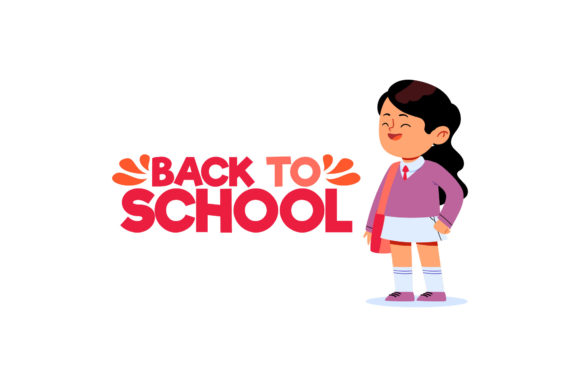
Think of it as a curated set of vector illustrations, icons, and graphic elements centered on the back-to-school theme. Instead of starting from scratch or hunting for individual images, you get a cohesive pack that includes everything from students with backpacks and classroom scenes to stationery items, buses, and motivational motifs. These illustrations typically come in scalable formats like SVG, AI, or EPS, and many packs offer multiple color variants or editable layers. The value lies in having a unified visual language that you can drop into presentations, websites, newsletters, or social media posts without spending hours editing or redrawing.
For professionals who produce content regularly, a Back to School Illustration Bag eliminates the friction of sourcing visuals piecemeal. You open the file, pick what you need, and adapt it to your layout. The best packs are designed with versatility in mind—not every illustration screams "school" in an overwhelming way, so you can use them for broader educational or seasonal content without feeling repetitive.
Key Characteristics That Matter
- Consistent style: All illustrations in the pack share similar line weights, color palettes, and aesthetic choices. This makes it easy to combine multiple elements in one composition without visual clash.
- Scalable vectors: You can resize them from a small icon on a mobile screen to a large banner without losing quality. That flexibility is essential when you're producing for multiple platforms.
- Editable components: Many packs include separate layers for backgrounds, characters, and objects. You can recolor, remove, or reposition elements to match your brand or campaign colors.
- Diverse subject matter: A good pack covers more than just a single scene. Expect variations like children studying, teachers instructing, supplies arranged neatly, and abstract shapes that evoke a learning environment.
These characteristics directly affect usability. When you're on a tight deadline—say, launching a back-to-school email series in two days—you don't want to wrangle mismatched assets. A solid illustration bag gives you a reliable foundation.
Practical Applications Across Different Contexts
The real test of any design resource is how it performs in the wild. A Back to School Illustration Bag isn't limited to one niche. It finds relevance in personal projects, professional campaigns, educational settings, creative portfolios, digital products, and even commercial packaging. Let's break down where it fits naturally.
Marketing and Branding Campaigns
Brands targeting parents, students, or educators often run seasonal promotions around August and September. Email headers, social media posts, blog graphics, and landing pages all need refreshing. Instead of commissioning custom illustrations for each asset, a marketer can pull from an illustration bag and adapt quickly. For example, a tutoring service could use a scene of a student working at a desk for their homepage hero image, pair it with an icon of a backpack for a call-to-action button, and use a simple notebook motif for a testimonial background. The visual consistency reinforces brand recognition, and the speed of execution means campaigns launch on time.
Freelancers and agencies also benefit. If you're pitching a back-to-school campaign to a client, having a polished set of illustrations to mock up concepts can make the difference between a vague idea and a compelling visual story. The client sees a finished-looking concept, which builds confidence in your approach.
Educational and Classroom Materials
Teachers and educators often create their own handouts, bulletin boards, newsletters, and digital presentations. A Back to School Illustration Bag can dramatically improve the visual appeal of these materials without requiring graphic design skills. A simple worksheet becomes more engaging when it includes a friendly illustration of a backpack or a stack of books. A classroom newsletter feels warmer with a scene of children reading together. These visuals help capture students' attention and make information more accessible, especially for younger learners who respond well to imagery.
Publishers and curriculum developers also find value here. When producing educational workbooks, e-learning modules, or supplementary printables, consistent illustrations across a series create a professional, cohesive product. Students and parents perceive the material as polished and carefully designed, which builds trust.
Digital Products and Content Creation
Bloggers, content creators, and course developers are always looking for ways to stand out. A blog post about back-to-school organization tips benefits from a custom header illustration that matches the post's theme. A YouTube video thumbnail featuring a bright, friendly school scene can increase click-through rates. Even a simple Instagram carousel with illustrated quotes about learning can boost engagement. The Back to School Illustration Bag gives creators a library to pull from, so they're not stuck repeating the same stock photos everyone else uses.
For entrepreneurs selling digital products on platforms like Etsy or Gumroad, these illustrations can become the basis for printable planners, sticker sheets, or journal templates. With a bit of arrangement and personalization, a single pack can generate multiple product variations.
Commercial and Retail Environments
Retailers and small businesses also tap into back-to-school visuals. Window displays, in-store signage, promotional flyers, and loyalty program cards all benefit from seasonal imagery. A local bookstore promoting a "back to reading" campaign could use illustrations of stacked books, reading glasses, and cozy study nooks. A stationery shop could feature notebooks and pens in their marketing. The trick is selecting illustrations that feel appropriate for a commercial context—not too childish, but still friendly and inviting. Many modern illustration bags strike this balance by using clean lines and muted color palettes alongside playful characters.
Usability and Efficiency Gains
One of the strongest arguments for using a Back to School Illustration Bag is the time it saves. Starting from scratch means sketching, refining, digitizing, and iterating—a process that can take hours or days per illustration. Even if you're an experienced designer, that's time you could spend on strategy, copywriting, or other high-value tasks. When you use a prepared pack, you skip the production phase and move straight to composition. You choose, arrange, customize, and export.
Efficiency doesn't stop at creation. Because the illustrations are vectors, you can reuse them across formats and platforms. A single SVG works for web, print, and app interfaces. You don't need to re-draw or re-export for different resolutions. This matters for content teams producing weekly newsletters or for educators who update materials each semester. The same illustration bag can serve you for multiple seasons if you store and tag assets properly.
Another often-overlooked benefit is reduced decision fatigue. When you already have a curated set of illustrations that match your theme, you spend less time searching, filtering, and deliberating over options. You open the bag, scan what's there, and pick the best fit. For busy professionals, that mental overhead adds up.
Observations on Quality and Selection
Not all illustration bags are created equal. Some packs focus heavily on style at the expense of variety. You might get 30 illustrations that all look similar—same pose, same expression, same background treatment. That limits what you can build. A strong pack offers variety in composition, subject matter, and scale. Look for packs that include wide shots, close-ups, icons, and text-friendly backgrounds. This gives you room to compose layouts that feel dynamic rather than repetitive.
Another consideration is cultural relevance. If your audience spans multiple regions, check whether the illustrations depict diversity in ethnicity, ability, and setting. A classroom scene that only shows one type of student or environment may feel exclusionary. Many modern illustration bags prioritize inclusive representation, which is worth seeking out whether you're a publisher, educator, or marketer.
File format is a practical detail that matters more than most people realize. SVG and EPS are broadly compatible, but check that your design software handles them smoothly. If you work in Figma or Sketch, ensure the illustrations are appropriately layered. If you're a non-designer using Canva or PowerPoint, look for PNG versions with transparent backgrounds. Some packs include both, which is ideal.
Recommendations for Getting the Most Out of Your Illustration Bag
Once you have a Back to School Illustration Bag, take a few steps to maximize its value. First, organize the files by category—separate characters, objects, backgrounds, and icons. This makes retrieval faster when you're in the middle of a project. Second, create a few template layouts ahead of time. For example, design a standard newsletter header, social media post template, and presentation title slide that incorporate illustrations from the pack. When the season arrives, you already have a framework you can populate with relevant visuals.
Third, don't feel obliged to use every illustration. A curated selection often works better than cramming in every available image. Choose two or three core illustrations that define your campaign or material, then repeat them consistently. This creates a cohesive experience rather than a cluttered one. Fourth, consider color customization. Even a small palette shift—matching the illustrations to your brand's primary colors—can make the pack feel custom-made for you.
Finally, keep accessibility in mind. When using illustrations on websites or in digital documents, add descriptive alt text for screen readers. A Back to School Illustration Bag can still be inclusive even after you've placed it on a page.
In practice, professionals who use illustration packs effectively treat them as starting points, not finished products. They adapt, combine, and layer them to create something that fits their specific context. That blend of speed and personalization is what makes the approach so practical.
Final Considerations Before Choosing a Pack
Before you invest in a specific Back to School Illustration Bag, think about your primary use case. Are you producing a short-term campaign, or do you need a resource that will serve you for several years? A seasonal campaign might warrant a smaller, cheaper pack. For ongoing use, look for a larger collection with broad subject coverage. Also consider the license terms. Some packs restrict commercial use or require attribution, which can create friction if you're selling products or running ads. Read the fine print so you don't encounter surprises later.
If you're working with a team, check whether the file structure supports collaboration. Shared libraries or cloud-based formats make it easier for multiple people to access and use the same assets without duplication. This is especially useful for marketing teams or design studios handling multiple client projects at once.
Ultimately, the right illustration bag reduces friction, frees up creative energy, and helps you produce visually consistent work under real-world deadlines. It's a tool, but like any good tool, it becomes invisible when it's working well—you focus on your message, your content, and your audience, while the visuals support you without demanding extra attention.