Back to School Teacher Greets Design Art: A Practical Resource for Creators and Educators
There’s something about the start of a new school year that stirs up a mix of anticipation, nervous energy, and creative momentum. Teachers are preparing classrooms, parents are organizing schedules, and small business owners are scrambling to produce timely content. In the middle of all that movement, Back to School Teacher Greets Design Art quietly shows up as a versatile tool. It’s not just another digital file sitting in a folder. For those who know how to use it, this design set becomes a workhorse for everything from classroom decor to social media campaigns, from printable gifts to promotional merchandise.
Let’s walk through what this collection actually does, where it fits into real routines, and why so many different kinds of people find it genuinely useful.
What This Design Set Brings to the Table
The product itself is straightforward: six digital files built on a 1920 by 1280 pixel canvas. You get an AI file, an EPS file, an SVG file, a DXF file, a JPG file, and a PNG file. That combination covers just about every workflow you might be using. Whether you rely on Adobe Illustrator, prefer Cricut or Silhouette for cutting projects, or simply need a clean JPG for a quick print, you’re already set. The file formats aren’t just filler. They reflect how people actually work across different platforms and devices.
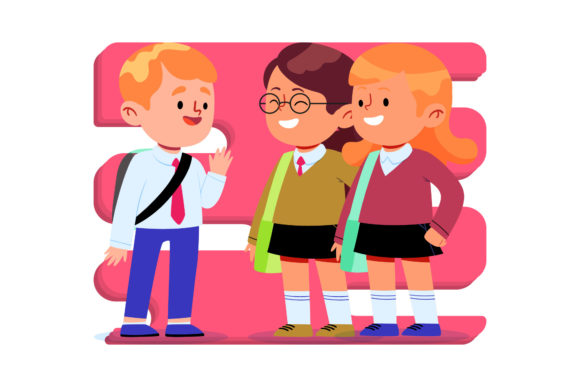
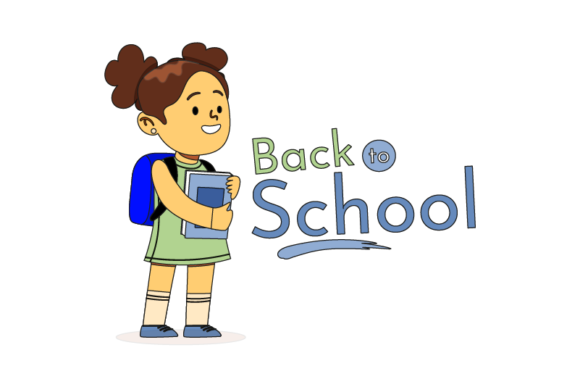
The design art itself centers on a teacher greeting theme, which makes it immediately relevant for back-to-school season. But as you’ll see, its usefulness extends well beyond the first week of September.
Classroom Decor and Teacher Spaces
Imagine walking into an elementary school classroom in late August. The bulletin boards are still bare, the walls are a little too quiet, and the teacher is juggling lesson plans alongside setup tasks. A design like this can be printed, framed, or mounted as a welcoming sign near the door. It can appear on a desk nameplate, a classroom rules poster, or even a small banner above the whiteboard. For the educator who wants the room to feel warm and intentional without spending hours designing from scratch, the file saves both time and creative energy.
One teacher might use the SVG format to create a vinyl cutout for the classroom window. Another might take the PNG, resize it, and drop it into a newsletter template. The same design, two completely different outcomes.
Small Business Marketing and Promotions
Small business owners, especially those running local tutoring services, childcare centers, or educational supply shops, often need fresh visuals when the school year approaches. A single design can anchor an email campaign, appear on a Facebook post, become part of an Instagram carousel, or show up on printed flyers handed out at community events.
Consider a tutoring center owner who wants to send a welcome-back email to families. Instead of hiring a designer or struggling with complicated software, they open the AI file, tweak the text or colors to match their brand, and export a clean graphic. It’s a polished look without the overhead. That same file can later appear on a thank-you card, a discount coupon, or even a T-shirt for staff.
Bloggers and Content Creators
Bloggers who write about parenting, education, or teaching resources often need visual content that feels personal and seasonal. A blog post about helping kids adjust to a new school year becomes more engaging when it includes a custom graphic. The design art can appear as a featured image, a Pinterest pin, or an in-post illustration. Because the canvas size is 1920 by 1280 pixels, it aligns well with standard blog image dimensions, which means less cropping and resizing.
A creator might also use the EPS file to pull elements from the design and remix them into a different layout. That flexibility matters when you’re producing content regularly and want to avoid looking repetitive.
Printable Gifts and Stationery
Think about parents who want to show appreciation for their child’s teacher. A simple thank-you note, a custom bookmark, or a small gift tag can carry a lot of sentiment when it features thoughtful design. The JPG and PNG versions are easy to print at home or at a local print shop. Someone could create a set of thank-you cards, a desk calendar entry, or even a laminated coaster with the teacher greeting theme.
Hobbyists who enjoy paper crafting or scrapbooking will also find the DXF and SVG files useful for cutting machines. A cut-out design applied to a tote bag, a notebook cover, or a pencil case becomes a personalized gift that feels intentional rather than generic.
Who Benefits Most and Why
If you’re someone who regularly creates content or products around the school year, this design set fits naturally into your workflow. Freelancers who design educational materials can use the files as starting points rather than building every graphic from zero. Marketers who manage social media accounts for school districts or educational brands can maintain visual consistency without reinventing the wheel each time.
Even for everyday users who don’t consider themselves designers, the collection removes a common barrier: the need to learn complex software just to produce one decent graphic. You can open the JPG or PNG directly, print it, and move on. The value isn’t in the file format. It’s in the time you don’t have to spend.
What to Consider Before Using the Design
Not every design works in every context, and being realistic about limitations helps avoid frustration later. The canvas size of 1920 by 1280 pixels is generous for digital use, but if you plan to print at large poster sizes, you’ll want to check the resolution. For standard letter-size prints or smaller, it holds up well. For large banners or billboard-sized output, vector formats like AI or EPS give you the best flexibility because they scale without losing quality.
Another consideration is the theme itself. A teacher greeting design works beautifully for back-to-school season, teacher appreciation week, or general classroom use. It may feel out of place for other holidays or non-educational contexts. Think about where and when you intend to deploy the imagery before committing to a project. If you’re creating something for a math competition, a science fair, or a professional development workshop, you might need to adapt the design or combine it with other elements.
Also, consider the platform you’re using. SVG files work well for web and cutting machines, but some older software handles them differently. DXF files are great for CAD and certain cutting workflows but may require a quick test cut first. If you’re new to vector formats, starting with the PNG or JPG keeps the process simple while you get comfortable.
Practical Ways to Get More Out of the Files
- Repurpose across seasons. Use the greeting design for the first day of school, then adapt elements for a mid-year welcome or an end-of-year thank-you.
- Layer with other graphics. The EPS and AI formats allow you to combine this design with other artwork you already own. Build a cohesive set of classroom materials.
- Create a bundle. If you sell printables or digital products, pair this design with matching borders, labels, and planner pages for a complete back-to-school kit.
- Keep a template version. Once you edit the AI file to fit your brand colors or add specific text, save it as a template. You can reuse it year after year with minor updates.
- Test different outputs. Try printing on matte paper for a soft look, or glossy for more vibrancy. The same file can produce different feelings depending on the medium.
How Different Users Approach the Same Files
A classroom teacher might prioritize the PNG version for quick printing of name tags and bulletin board headers. A small business owner might focus on the EPS file to maintain scalability for flyers and signage. A hobbyist crafter will almost certainly gravitate toward the SVG or DXF for cutting projects. The same product serves different purposes because the files are structured to accommodate different skill levels and goals.
I’ve seen someone use the JPG version as a desktop wallpaper for a school computer lab. I’ve seen a freelance designer extract elements from the vector file to create a custom coloring book page. The range of outcomes is wider than you might expect from a single theme.
Small Details That Make a Difference
The file naming is clear, which might seem trivial until you’ve spent ten minutes searching for the right format in a cluttered downloads folder. The canvas size is consistent across all formats, so what you see in one file matches the others. That kind of consistency matters when you’re moving between design software, print tools, and online platforms.
Also worth noting: the design art is editable in the vector formats. You can change colors, resize elements, remove parts you don’t need, or combine them with other designs. That’s not true of every digital product, especially those that lock everything into a single flat image. The ability to customize is what turns a generic design into something that feels like your own.
When Not to Use This Design
If your project demands a completely neutral or non-seasonal look, a teacher greeting theme may feel too specific. Likewise, if you’re designing for a corporate training environment rather than a school setting, the tone may not align. In those cases, you’re better off keeping this design in your archive for when the context fits, rather than forcing it into a mismatch.
There’s also the question of audience. Younger students respond well to bright, welcoming designs. Older students or professional audiences might prefer something more minimal. Know your end user before you choose your visual direction.
Final Thoughts on Making It Work
Back to School Teacher Greets Design Art is not a magic solution that does the work for you. It’s a resource that removes some of the friction involved in creating something visual. If you know what you want to say and where you want to say it, these files give you a head start. The formats are practical. The theme is timely. And the flexibility across print, digital, and physical making means you’re not locked into one type of use.
For educators, creators, small business owners, and anyone else who navigates the rhythms of the school year, having a design that you can adapt, print, share, and remix is genuinely helpful. It’s the difference between spending hours on a single graphic and spending those hours on everything else that actually needs your attention.