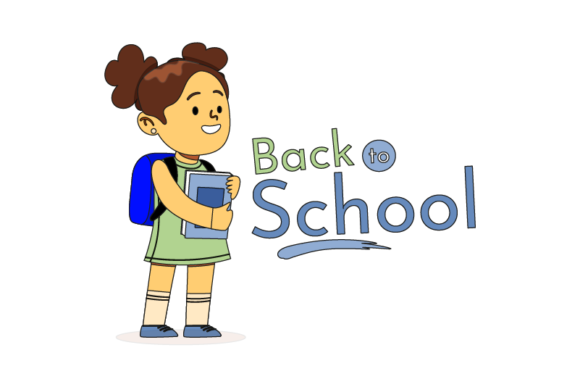
Back to School Design Collection Outline: A Practical Resource for Organized, Professional, and Creative Projects
Preparing for the back-to-school season often brings a mix of excitement and logistical challenges. Whether you are an educator setting up a classroom, a parent organizing school materials at home, a small business owner creating seasonal marketing assets, or a designer developing resources for clients, having a structured and versatile design foundation can save time and reduce stress. The Back to School Design Collection Outline is exactly the kind of resource that addresses this need. It provides a clear, ready-to-use framework that helps you move from idea to finished product with confidence and efficiency.
This article explores what the Back to School Design Collection Outline is, the common challenges it helps solve, practical ways to apply it in real-world scenarios, and how different users can tailor it to their specific goals. By the end, you will have a clear understanding of how this collection can streamline your workflow and elevate your back-to-school projects.
What Is the Back to School Design Collection Outline?
The Back to School Design Collection Outline is a curated set of digital files designed to simplify the creation of back-to-school themed graphics, layouts, and printable materials. It includes six standard file formats—AI, EPS, SVG, DXF, JPG, and PNG—all built on a canvas size of 1920 pixels by 1280 pixels. This range of formats means the collection is compatible with a wide variety of software and workflows, from professional vector editing programs to simple layout tools and even cutting machine software for physical projects.
Rather than focusing on pre-made, unchangeable designs, the Outline gives you a flexible framework that you can edit, combine, and personalize. The structure is intentionally open-ended, allowing you to adapt the design elements to your specific needs. Whether you are creating classroom posters, social media graphics, lesson plan templates, or promotional materials for a small business, this collection provides a solid starting point that saves you from starting from scratch.
Common Challenges the Back to School Design Collection Outline Addresses
The back-to-school period is often a time crunch. Teachers need to prepare welcoming and informative materials for their students. Parents want to organize school supplies and schedules in a visually appealing way. Designers and small business owners face tight deadlines for seasonal campaigns. In each case, time is limited, and the pressure to produce polished, professional results is high.
A major challenge is the sheer variety of outputs needed. A classroom may require welcome signs, name tags, schedule cards, and subject headers, all with a consistent look. A small business might need coordinating social media posts, email headers, and print flyers. Without a coherent design framework, achieving visual consistency across different formats and platforms becomes difficult and time-consuming.
Another common issue is technical barriers. Not everyone has advanced design skills or access to expensive software. Files that are too specialized can be inaccessible to users with limited tools. The Back to School Design Collection Outline directly addresses this by providing formats that work across different skill levels and software environments. The AI and EPS files are ideal for vector editing in programs like Adobe Illustrator or CorelDRAW, while the SVG and DXF files open up possibilities for use with cutting machines for physical decorations or projects. The JPG and PNG versions offer immediate use for digital presentations, social media, or printing without any editing required.
Additionally, many people struggle with blank-page syndrome. Staring at an empty canvas when you have a long list of tasks to complete can be paralyzing. The Outline removes that barrier by giving you a structure to start from, so you can focus on the content and customization rather than the foundational design.
How the Back to School Design Collection Outline Helps Address These Situations
The collection helps by offering a ready-made framework that you can adjust to fit your exact needs. Because the designs are editable, you are not locked into a predetermined look. You can change colors, adjust text, rearrange elements, and scale components to fit different purposes. The consistent 1920 x 1280 canvas size means that all files in the collection share a common aspect ratio, making it easier to repurpose a single design across multiple platforms without distortion or awkward cropping.
For example, a teacher might start with the JPG version to quickly create a colorful welcome poster for the classroom door. The same base design can then be opened in a vector editor using the AI or EPS file to change the background color to match a classroom theme, or to add student names to each element. The teacher can even use the SVG file with a cutting machine to create matching decorations for a bulletin board. This kind of flexibility reduces redundant work and ensures that every piece of material feels cohesive.
For designers, the Outline provides a consistent starting point that can be reused across multiple client projects. By modifying one base file, you can generate a series of coordinated materials—newsletters, activity sheets, social media graphics, and parent communication templates—each customized for the specific audience. This efficiency is particularly valuable when working with multiple classrooms or schools, as you can create a master design and then produce variations for each client.
The availability of multiple file formats also means that collaboration becomes easier. A team can share the AI file for professional editing, while a colleague who uses a different program can work with the EPS or SVG version. Everyone stays on the same page without needing to convert files or worry about compatibility issues.
Practical Applications and Real-World Outcomes
Imagine a parent who wants to create a back-to-school binder for their child. The Outline can be used to design a cover page, divider tabs, and a weekly schedule. The editable files allow them to include their child’s name, favorite colors, and specific subjects. The result is a personalized, professional-looking organizational tool that the child feels proud to use. The same parent could also use the PNG files to quickly create a fun digital wallpaper for a tablet or computer, reinforcing a positive back-to-school mindset.
A small business owner running a tutoring service can use the collection to design promotional materials that feel seasonally relevant. A series of social media posts with consistent branding can be created in minutes. The business owner might start with the JPG or PNG file for an immediate post, then use the AI file to create a flyer for local distribution. The cohesive look builds brand recognition and communicates professionalism to potential clients.
In a classroom setting, a teacher might use the collection to design a "Welcome Back" bulletin board that includes space for class rules, a daily schedule, and a motivational quote. By using the vector formats, they can adjust the layout to fit the exact dimensions of their board. The ability to scale and rearrange elements means the teacher can create a custom arrangement that works with their physical space. Additionally, the same design can be converted into a digital slide to share with families during a virtual meet-the-teacher event.
Outcomes from using the Back to School Design Collection Outline include faster project completion, a reduction in frustration associated with starting from scratch, and a final product that appears polished and intentional. Users consistently report feeling more in control of their creative process and less overwhelmed by the variety of tasks that the back-to-school season demands.
How Different Users May Approach the Collection
Not every user will make use of all six formats, and that is fine. The value of the collection lies in its flexibility. A teacher who is comfortable with technology might dive into the AI file to fine-tune every detail, while a parent with limited design experience might rely primarily on the JPG and PNG formats for quick, ready-to-use results. A craft enthusiast with a cutting machine will find the SVG and DXF files invaluable for creating physical decorations, labels, or gift tags.
Designers and advanced users may choose to treat the Outline as a template library. They can open the EPS file in their preferred vector software and create a series of variations that can be offered to clients or used for multiple purposes. The ability to save different versions ensures that a single foundation can serve many needs without requiring redundant work.
For teams, the collection supports a collaborative workflow. One person can edit the AI file on a professional design application, while another uses the PNG version for quick approval drafts. The SVG and DXF formats allow a third team member to produce physical materials simultaneously. This parallel workflow speeds up the overall project timeline and reduces bottlenecks.
Considerations for Getting the Most Out of the Collection
To maximize the utility of the Back to School Design Collection Outline, it is helpful to have a clear plan before you start editing. Think about the specific outcomes you want to create—whether it is a set of classroom posters, a branded social media campaign, or a personalized organizational kit. Knowing your end goals will guide your customization decisions and prevent you from making unnecessary changes that waste time.
If you are new to working with vector files, consider starting with the JPG or PNG formats to get a feel for the composition. Then, as you become more comfortable, explore the AI or EPS files to experiment with editing. There are many free online tutorials that cover basic vector editing techniques, making this a great opportunity to build new skills. The SVG and DXF files are particularly useful if you have access to a cutting machine, as they allow you to produce tangible items like binder covers, folder labels, or bulletin board letters.
Another practical tip is to create a master version of the design that contains all the elements you might use, and then save copies for each specific project. This way, you preserve a clean base template for future use. Organizing your files by project and format will save you time later when you need to find a specific variation or reuse a design for a different season.
It is also worth considering the color palette and typography that best suit your purpose. The Outline provides a structure, but the visual identity is yours to define. A school might prefer bright, friendly colors and bold, easy-to-read fonts, while a tutoring business might choose more muted tones and elegant typefaces. The flexibility to customize these aspects ensures that your final materials resonate with your intended audience.
Conclusion
The Back to School Design Collection Outline is more than just a set of files—it is a practical solution for anyone who needs to produce organized, professional, and consistent materials during the back-to-school season. By offering multiple formats and an editable structure, it meets users where they are, whether they are seasoned designers or busy parents trying to create something special. The time savings, reduction in frustration, and improvement in output quality make it a resource worth having in your toolkit.
If you are preparing for the upcoming school year, consider how the Collection Outline can simplify your workflow. From classroom decorations to marketing materials, the possibilities are extensive. Take advantage of the flexibility, experiment with different formats, and create materials that reflect your unique needs and style. With a strong foundation in place, you can focus your energy on the things that matter most—helping students succeed, building your business, or simply making the return to school a positive experience for everyone involved.