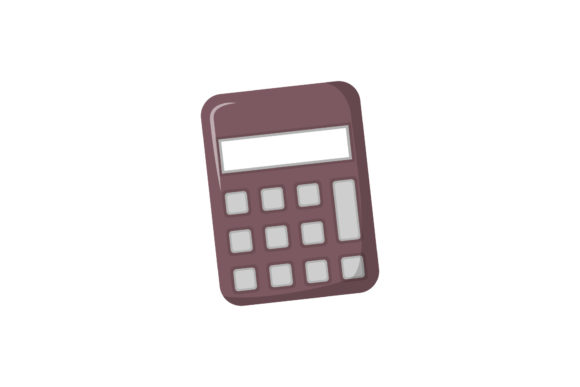
Back to School Calculator Design for Creators
Every season brings a fresh wave of creative opportunities, and the back-to-school period is one of the most versatile. Among the many design assets available, the Back to School Calculator stands out as a flexible, ready-to-use composition that works across multiple product types. Whether you run a print-on-demand shop, design merchandise for a small brand, or create content for social media, this design offers a clean visual anchor that resonates with students, parents, and educators alike. The real value lies not just in the graphic itself but in how you adapt it to different formats, audiences, and platforms.
What Makes the Back to School Calculator Design Useful
At its core, the Back to School Calculator design combines a familiar object—the calculator—with themes of learning, organization, and readiness. The calculator is a universal symbol of math, logic, and academic preparation. When rendered as a clean graphic, it becomes a motif that works for both nostalgic and modern aesthetics. The design is delivered in AI, SVG, transparent PNG, JPG, and EPS formats, each sized at 1920 by 1280 pixels. That consistent canvas size means you can take the same core artwork and repurpose it for a T-shirt, a poster, a sticker, a tote bag, or a greeting card without needing to rebuild the layout from scratch.
For creators who work with multiple sales channels, that file set saves hours of reformatting. The vector formats—AI, SVG, EPS—give you full control over scaling, color editing, and element isolation. The raster formats—PNG and JPG—offer immediate use for mockups, social posts, or listings. This mix of editable and ready-to-use files means you can start selling or showcasing the design in minutes while still having the flexibility to customize later.
Apparel and Accessories
T-shirts and hoodies are the most straightforward application. The 1920x1280 canvas translates well to a centered print on a standard adult shirt. For a more subtle look, you can reduce the design to a small chest logo or use the calculator icon alone as a pocket print. The SVG and AI files let you isolate the calculator element, change its color to match the garment, or add text like a grade level or a subject name. Crewnecks, sweatshirts, and even kids' tees benefit from the same treatment.
Tote bags are another strong fit. A large, front-center placement on a canvas tote gives the design visibility and a practical, school-ready feel. Since tote bags attract a slightly older audience—college students, teachers, parents—you can keep the design clean or layer it with motivational phrases like "Crunching Numbers" or "Ready for the Semester." The transparent PNG works especially well for mockups on different bag colors.
Stationery and Paper Goods
Posters and cards are natural extensions. A poster featuring the Back to School Calculator works as a classroom decoration, a dorm room accent, or a promotional piece for a tutoring service. Because the design is clean and not overly busy, it can be combined with typography, border elements, or a calendar grid. For greeting cards, the calculator motif suits back-to-school wishes, teacher appreciation notes, or "good luck on your exams" messages. The EPS file is particularly useful if you need to adjust the design for different card sizes while keeping the vector crispness.
Stickers offer the lowest production risk and the widest range of placement. A single calculator sticker on a laptop, water bottle, or binder appeals to students of all ages. You can create sticker sheets that combine the calculator with related icons—pencils, rulers, apples, graduation caps—using the AI or SVG files as a starting point. The transparent PNG is ideal for print-on-demand sticker services that require a clean cut line.
Adapting the Design for Different Audiences
The Back to School Calculator composition works across age groups, but the way you present it should shift depending on who you are trying to reach.
Elementary and middle school students respond to bright colors and playful typography. The design can be recolored in primary or neon tones, with rounded fonts and cheerful accents. You might add a smiling face to the calculator display or surround it with doodle-style stars and pencils. The SVG format makes these edits quick because each vector layer can be adjusted independently.
High school and college students tend to prefer minimalist or retro aesthetics. A monochrome calculator outline in black, white, or muted earth tones fits a more mature look. The design can be paired with sans-serif text like "Calculus" or "Study Mode." For dorm decor or apparel, a grayscale version with a subtle texture—think halftone or risograph effects—adds visual interest without feeling juvenile.
Teachers and educators are another key audience. A Back to School Calculator design aimed at teachers could include subject-specific labels ("Algebra," "Statistics," "Business Math") or classroom phrases like "Check Your Work" or "Show Your Process." The design works well on a tote bag, a coffee mug, or a planner cover. The EPS file lets you adjust the scale precisely for a mug wrap or a notebook spine.
Parents and gift buyers often look for designs that feel positive and encouraging. A calculator paired with the word "Ready" or "Future Mathematician" turns the graphic into a motivational tool. For this audience, the design should feel polished and giftable. Mockups using the JPG or transparent PNG can help you showcase the product in a lifestyle setting—a kid wearing the shirt on the first day of school, or a tote bag hanging by a classroom door.
Creative Directions and Style Variations
The structure of the design itself can be interpreted in multiple visual styles. Here are several directions that suit different brand identities and product categories.
- Retro school supply: Use warm earth tones, a slightly distressed texture, and a serif font. This style feels nostalgic and works well on posters, cards, and apparel for an older demographic.
- Modern minimalist: A single-line calculator outline on a clean background. Ideal for stickers, tote bags, and social media graphics. The SVG file is perfect for this approach because you can thin the stroke weight and remove fills.
- Bold graphic: Large, brightly colored calculator with thick outlines and pop art influences. This works well for youth apparel and sticker sheets where visibility matters from a distance.
- Vintage classroom: A chalkboard-style treatment with white or pastel lines on a dark background. This style fits teacher-oriented products and classroom decor.
- Tech-inspired: A calculator with a digital display showing a simple equation, rendered in a futuristic or monochrome palette. Suitable for STEM-themed products and older students.
Because you have access to editable vector files, you are not locked into one interpretation. The AI and EPS files allow you to experiment with color, scale, and additional elements without degrading the image quality. If you sell on multiple platforms, you can create a cohesive collection by using the same base design in different style variations.
Keeping Results Clear and Audience-Friendly
Versatility can sometimes lead to inconsistent branding if you are not careful. To maintain a clear, recognizable look across all your products, start with a single version of the Back to School Calculator design and use it as your anchor. Define a primary color palette and a secondary palette before you begin recoloring. For example, if your brand uses navy and yellow, keep those colors consistent across T-shirts, stickers, and posters. The design itself should remain recognizable even when you change the background or add text.
Make sure the design scales appropriately for each product. A sticker that looks perfect at 3 inches wide may feel empty on the back of a hoodie. Conversely, a poster layout may be too detailed for a small card. The 1920x1280 canvas gives you a good starting resolution, but you will still need to adjust element proportions when moving from a card to a shirt. The vector formats handle scaling without pixelation, so take advantage of that flexibility to fine-tune the composition for each product type.
When using the transparent PNG for mockups, pay attention to the edge quality. A high-quality PNG with a clean cutout saves time when you are creating product listings for multiple platforms. The JPG version works best for previews and social media posts where transparency is not required, but you do want a consistent background color that complements the design.
Practical Recommendations for Different Platforms
Print-on-demand marketplaces like Redbubble, Teepublic, and Printful benefit from the PNG and JPG files. Upload the transparent PNG for products that require a cut—stickers, pins, magnets—and use the JPG for framed prints, mugs, and apparel. Keep the design centered and leave enough padding so that no important detail falls into the trim zone.
Social media and content creation call for the PNG and JPG as well. Use the design as a background for quote graphics, a thumbnail for back-to-school videos, or a visual anchor in an Instagram carousel. The consistent canvas size means you can create a series of posts without resizing each time.
Local or small-batch production works best with the AI or EPS file. Local screen printers often request vector files for film output, and the SVG format is useful for direct-to-garment printing setups. Having the EPS file also makes it easy to separate colors if you are printing with limited ink stations.
Digital products and printables are another option. The design can be sold as a digital download for use in planners, classroom decorations, or scrapbooking. The SVG file is especially popular for cutting machines like Cricut or Silhouette, where users want to cut the calculator shape from vinyl or cardstock.
Balancing Repetition with Originality
Because the Back to School Calculator is a single design, you need to avoid saturating your own shop with identical-looking products. The solution is to vary the treatment for each product category. A T-shirt might feature the calculator in a large, bold format with a single color. A sticker set could show the calculator in five different colorways. A poster might combine the calculator with secondary graphics like rulers, notebooks, or mathematical symbols. The vector files make these variations efficient because you are editing a base file rather than recreating the artwork from scratch.
For creators who run multiple shops or brand lines, the design can be adapted to fit different niches. A shop focused on teacher appreciation can use softer colors and encouraging text. A shop targeting STEM students might keep the design technical and minimal. The same SVG file can feed both directions with a few strategic edits.
Final Thoughts on Using the Design
The Back to School Calculator is more than a seasonal graphic. It is a building block for a product line, a content series, or a branded collection. The file formats give you the technical flexibility to move from digital mockups to physical products without friction. The consistent canvas size removes guesswork from layout planning. And the calculator itself—a simple, recognizable object—gives you a visual theme that audiences across age groups and roles can relate to.
Whether you are creating for a print-on-demand store, a local craft fair, a digital downloads shop, or your own social media presence, the design offers a solid foundation. Spend time exploring different color stories, product applications, and audience angles. The more you experiment with the vector and raster files, the more unique uses you will discover. And because the design is built for repeat use, each new application strengthens your visual brand rather than starting from zero.