Reimagining the Academic Aesthetic: The Rise of Concept Back to School Design Line Style in Professional Creative Work
In the ever-evolving landscape of visual communication, certain design styles emerge not merely as fleeting fads but as enduring visual vocabularies that speak to both nostalgia and modernity. The Concept Back to School Design Line Style is one such phenomenon—a deliberate, refined approach to illustration and graphic design that strips away unnecessary complexity while retaining the warmth, energy, and intellectual curiosity of the academic world. For professionals, creators, entrepreneurs, marketers, freelancers, and enthusiasts, understanding this style is no longer optional; it is a strategic advantage in a market saturated with visual noise.
This article explores how the Concept Back to School Design Line Style Vector Design Graphic has moved beyond simple seasonal campaigns to become a foundational asset for branding, digital content, merchandising, and beyond. We will examine its technical merits, its alignment with broader industry shifts, and the practical reasons why creative professionals are integrating it into their workflows.
What Exactly Is Concept Back to School Design Line Style?
At its core, the Concept Back to School Design Line Style is a minimalist yet expressive vector-based illustration methodology that uses clean, deliberate lines, open spaces, and simplified shapes to evoke themes of education, learning, youth, and fresh starts. Unlike traditional back-to-school imagery—which often relies on cluttered compositions, photorealistic textures, or heavy gradients—this line style prioritizes clarity and versatility.
The visual language typically includes:
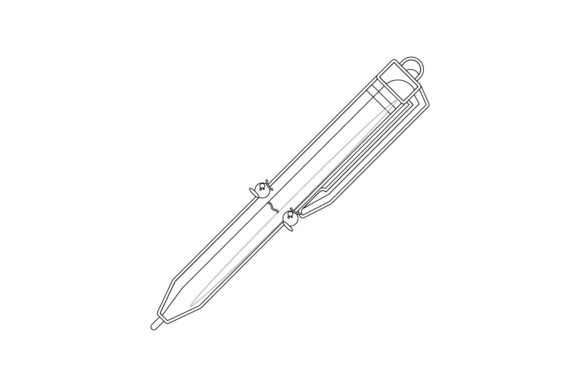
- Continuous or semi-continuous linework that creates fluid, approachable silhouettes of books, pencils, backpacks, globes, apples, and classroom motifs.
- Monoline or varying stroke weights used intentionally to add depth without resorting to shading or complex fills.
- Negative space employed as an active compositional element, allowing the subject to breathe and the viewer to interpret.
- Color palettes that are often restrained—think primary brights, pastels, or even monochromatic schemes—to let the linework take center stage.
What makes this style particularly powerful is its vector nature. As a Concept Back to School Design Line Style Vector Design Graphic, it is created using mathematical paths rather than pixels. This means the artwork is infinitely scalable, resolution-independent, and fully editable—qualities that are non-negotiable in professional production environments.
Why Creators and Professionals Are Paying Attention
The surge in interest around this specific design approach is not arbitrary. It reflects a convergence of technological capability, shifting consumer preferences, and practical workflow demands. Here are the primary reasons why the Concept Back to School Design Line Style is commanding attention across industries.
1. The Demand for Versatile, Multi-Platform Assets
Modern content creation rarely lives in one medium. A single campaign might span social media graphics, website hero images, animated explainer videos, printed merchandise, and even large-format signage. Vector files—particularly those packaged in standard formats like AI, EPS, PNG, JPG, and SVG—are the only practical way to achieve this level of flexibility. When a designer downloads a set that includes “1 AI 10 file – 1 EPS 10 File – 1 PNG file – 1 JPG file – 1 SVG file,” they are not just acquiring artwork; they are acquiring a production-ready system.
The line style excels in this context because its simplicity translates beautifully across resolutions. A line-drawn backpack icon looks crisp as a 16px favicon, a 300dpi print on a t-shirt, and a full-screen animation background. No pixelation. No loss of quality. This openable, editable, and resizable without losing quality promise is a cornerstone of professional vector workflow efficiency.
2. Alignment with Broader Design Minimalism and Clean Aesthetics
The broader design industry has been trending toward reduction for several years. Flat design, minimalist branding, and UI clarity have conditioned audiences to appreciate simplicity. The Concept Back to School Design Line Style fits naturally into this trajectory. It offers a hand-drawn human touch without the unpredictability of raster sketches. It feels organic yet precise—a balance that is difficult to achieve with other techniques.
From a branding perspective, this style communicates attributes like clarity, focus, approachability, and intelligence. For education technology companies, tutoring services, publishing houses, and even lifestyle brands targeting young families or students, adopting this line style signals a modern, clean, and thoughtful identity.
3. Changing Consumer Expectations in the Back-to-School Market
The back-to-school season is no longer just about supplies and logistics. It has become a cultural moment—a time of reinvention, goal-setting, and fresh starts. Consumers, especially younger demographics, expect brand communications to reflect authenticity and sophistication. Overly cluttered, cartoonish, or generic stock imagery feels out of touch.
The Concept Back to School Design Line Style Vector Design Graphic meets this expectation by offering a visual language that is both nostalgic and contemporary. It references the classic symbols of school life but presents them through a modern, curated lens. This duality resonates across generations: older audiences appreciate the warmth of familiar icons, while younger viewers respond to the clean, Instagram-friendly aesthetic.
Practical Applications Across Creative and Business Contexts
Understanding the why is important, but for professionals, the how is where value is realized. The versatility of the Concept Back to School Design Line Style makes it suitable for a diverse range of applications.
Brand Identity and Logo Design
A logo rendered in this line style instantly communicates an organization’s connection to education, learning, or growth. Tutoring centers, preschools, online course platforms, and even corporate training departments can leverage the style’s inherent clarity and positive associations. Because the vector files are fully editable, a designer can easily adjust stroke weights, colors, or shapes to align with an existing brand system.
Illustrations for Digital and Print Campaigns
From email newsletters to landing pages, illustrations created in the line style break up text without overwhelming it. They add a layer of visual storytelling that feels intentional rather than decorative. Marketers can use these graphics to highlight key themes: a lined book icon next to “curriculum,” a simple graduation cap near “achievement,” or a pencil graphic beside “creativity.” The consistency of the line style across all assets builds visual coherence.
Animations and Motion Graphics
Because the designs are vector-based and consist of clear lines, they are exceptionally easy to animate. A line-drawn globe can rotate; a pencil can draw itself across the screen; a backpack can “unzip” with a simple morph. Motion designers frequently seek out this style because it reduces rendering complexity while maintaining a high-end, bespoke look. The included SVG and EPS files are especially useful for web-based animations and Lottie files.
T-Shirt and Merchandise Design
Apparel printing methods—especially screen printing and heat transfer—benefit from designs with clean, continuous lines and open spaces. The Concept Back to School Design Line Style is inherently print-friendly. It avoids heavy fills that crack or fade, and its simplicity ensures that even a single-color print looks complete and professional. For entrepreneurs launching a back-to-school merch line, this style reduces production costs and increases design longevity.
File Formats and Workflow Efficiency: What the Download Really Means
When a creative professional encounters a download package that includes “1 AI 10 file – 1 EPS 10 File – 1 PNG file – 1 JPG file – 1 SVG file,” they are looking at a production-ready ecosystem. Let’s break down why each format matters in a real-world workflow.
- AI and EPS files: These are the native and universal vector formats, respectively. They allow for deep editing of nodes, paths, and layers. Designers can recolor, rescale, and remix elements without degradation. The “AI 10” specification ensures backward compatibility with older versions of Adobe Illustrator, which is critical for collaborative environments.
- PNG and JPG files: These are provided for quick previews, rapid prototyping, and use in software that does not support vector editing. The PNG’s transparency support is especially useful for web overlays and compositing.
- SVG file: This web-standard vector format is essential for modern digital experiences. Developers can embed SVGs directly into HTML, style them with CSS, and animate them with JavaScript. For responsive web design, SVGs ensure that the sharp, clean lines of the Concept Back to School Design Line Style remain crisp across all screen sizes.
Having all five formats in one download eliminates the need for conversion and reduces the risk of file corruption or version mismatch. For freelancers juggling multiple clients and tight deadlines, this efficiency translates directly into faster turnaround times and fewer technical headaches.
Broader Trends That Amplify the Relevance of This Style
The Concept Back to School Design Line Style does not exist in a vacuum. It is part of several larger movements in the creative and business landscapes.
The Rise of Micro-Branding and Niche Audiences
As markets fragment, brands are seeking distinctive visual identities that resonate deeply with specific communities. Education-adjacent brands—from STEM subscription boxes to parenting blogs—need a visual shorthand that immediately communicates their focus. The line style serves as that shorthand. It is distinctive without being divisive, recognizable without being aggressive.
The Growth of User-Generated and Template-Based Content
Platforms like Canva, Crello, and Adobe Express have democratized design. Non-designers are now creating professional-looking content using templates. The vector line style is particularly suited to this environment because it is easy to customize: change a color, move a line, resize an element—all without breaking the composition. For entrepreneurs and small business owners, this means they can maintain a cohesive visual presence without hiring a full-time designer.
Sustainability and Longevity in Design
There is a growing awareness—both aesthetic and environmental—of the value of timeless design. The Concept Back to School Design Line Style avoids trendy effects that date quickly. Its reliance on essential linework means it will look as relevant in five years as it does today. For brands that want to invest in assets with long shelf lives, this style is a sound choice.
Practical Observations for Implementing the Line Style
Having worked extensively with vector illustration systems, I have observed that the most successful applications of this style share a few common practices.
- Prioritize silhouette clarity. Because line styles lack heavy shading, the outline of each object must be immediately readable. Test your designs at small sizes to ensure the subject is still identifiable.
- Use color selectively. One of the strengths of line art is its ability to work in monochrome. When you do add color, use it to highlight a single element or to create hierarchy, not to fill every enclosed space.
- Maintain consistent stroke metrics. If you are combining multiple line-style graphics from a set, ensure that line weights match. Inconsistency in stroke thickness undermines the clean, unified feel that makes this style effective.
- Leverage SVG for interactive applications. The SVG format allows you to add hover states, click interactions, and even basic animations with minimal code. This is a powerful tool for educational websites and e-learning platforms.
Conclusion: A Style That Bridges Craft and Commerce
The Concept Back to School Design Line Style and its vector-based implementations represent more than just a seasonal trend. They embody a thoughtful convergence of artistic minimalism, technical efficiency, and market sensibility. For professionals and creatives seeking to produce work that is both beautiful and functional, this style offers a reliable, versatile, and future-proof foundation.
Whether you are a marketer planning a back-to-school campaign, an entrepreneur launching a learning-themed product line, or a freelancer building a portfolio of scalable illustrations, the Concept Back to School Design Line Style Vector Design Graphic provides the tools and aesthetic to communicate with clarity, warmth, and precision. The included AI, EPS, PNG, JPG, and SVG files ensure that you can edit, resize, and deploy your designs across any medium—from a tiny app icon to a giant billboard—without ever compromising on quality.
In a world where attention is scarce and first impressions matter, the simplicity of a well-drawn line can be the most sophisticated statement you make.