Pin Back to School Design: A Strategic Asset for Branding, Creativity, and Practical Execution
Every season brings a wave of planning, and back-to-school is one of the most active periods for creators, entrepreneurs, and educators alike. The Pin Back to School Design is not just a decorative element—it is a versatile, scalable asset that can serve multiple functions across physical products, digital content, and marketing campaigns. Whether you are launching a small product line, preparing classroom materials, or building a brand presence around the返校 season, understanding how to use this design intentionally can make the difference between scattered effort and coherent execution.
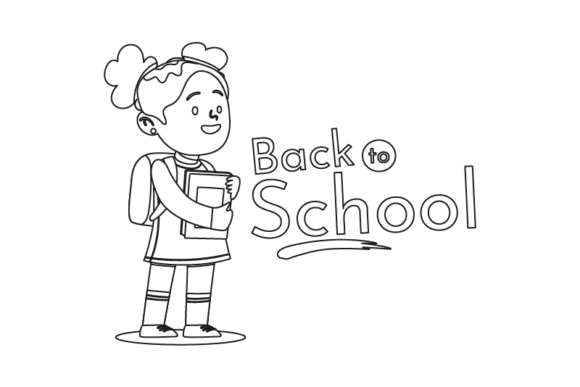
At its core, the Pin Back to School Design is a visual theme built around the idea of pins, badges, or emblematic motifs that evoke the back-to-school experience. It arrives in five industry-standard formats—AI, SVG, Transparent PNG, JPG, and EPS—and is sized at 1920px by 1280px, making it ready for both print and digital workflows. But the real value lies not in the file itself, but in how you deploy it across your goals, operations, and customer touchpoints.
What Makes Pin Back to School Design Strategically Useful
For anyone running a small business, a creative shop, or an educational initiative, design assets must earn their place. The Pin Back to School Design offers a rare combination of immediate recognition and format flexibility. Because it is provided in vector and raster formats, you can move from a social media post to a shirt print to a sticker sheet without reworking the artwork. This reduces production bottlenecks and keeps your visual identity consistent across channels.
From a strategic standpoint, this design supports several core objectives:
- Brand recognition during a high-traffic seasonal window
- Product diversification with minimal additional creative cost
- Audience engagement through familiar, relatable imagery
- Operational efficiency by using a single asset across multiple SKUs
When you treat a design like this as a versatile asset rather than a one-off graphic, you shift from reactive content creation to proactive planning. That is the difference between randomly posting a design and strategically placing it where your audience already looks.
Why Format Choice Matters for Your Workflow
The five included formats are not redundant—they serve distinct purposes. The AI and EPS files are vector-based, meaning you can scale the design to any size without losing quality. This is essential for large posters, banners, or tote bag prints. The SVG format is ideal for web use, especially if you are building a digital storefront or interactive content. The Transparent PNG gives you a ready-to-use overlay for mockups, social media, or layered designs. The JPG is a fallback for quick previews or low-stakes applications. Understanding these distinctions lets you choose the right format for each task, saving time and avoiding rework.
How Thoughtful Use of Pin Back to School Design Supports Your Goals
Whether your goal is to generate revenue, build community, or streamline classroom preparation, the Pin Back to School Design can be a practical lever. Consider a few realistic scenarios:
- A small apparel brand can use the design on t-shirts and hoodies, creating a limited-edition collection that feels cohesive and timely. The vector formats ensure clean prints across sizes.
- A teacher or educator can use the transparent PNG for classroom posters, bulletin boards, or digital slides. The design becomes a recurring visual cue that signals structure and readiness.
- A stationery shop can apply the design to tote bags, stickers, and cards, creating a coordinated product suite that appeals to parents and students shopping for the season.
- A content creator or blogger can use the JPG or PNG for social media graphics, email headers, or lead magnets, reinforcing a back-to-school theme without starting from scratch.
In each case, the design acts as a multiplier—one asset enables multiple outputs. That is the kind of leverage that matters when time, budget, or creative energy is limited.
Planning Your Product Line Around a Single Asset
One of the most effective approaches is to map out your product or content categories before you begin adapting the design. Ask yourself: Which formats do I need for print? Which for digital? Which for wholesale versus direct-to-consumer? By planning in advance, you avoid the common mistake of resizing the same PNG for a large poster only to find it pixelated. With the AI, EPS, and SVG files, you can scale freely. With the PNG and JPG, you have immediate web-ready versions. Use each format where it performs best.
When to Use Pin Back to School Design and What to Consider
Timing matters as much as execution. The back-to-school season typically begins in mid-summer and extends through early fall, but the exact window varies by region, audience, and product type. If you are selling physical goods, you need to account for production and shipping lead times. If you are creating digital content, you can afford to launch closer to the season. The design itself is neutral enough to work for both pre-season promotion and during-season reinforcement.
Before relying on this design, consider the following:
- Audience relevance: Does your target market actually connect with back-to-school themes? For parents, educators, and students, yes. For B2B or niche audiences, test first.
- Brand alignment: Does the design's aesthetic match your existing visual identity? If your brand is minimal and the design is ornate, it may feel mismatched. Adaptation is possible, but be intentional.
- Production constraints: For print products, verify that the design works at your intended scale and on your chosen material. Vector formats solve most scaling issues, but color separation and material finish still matter.
- Competitive saturation: Back-to-school is a crowded season. Using a distinctive design helps you stand out, but you still need a clear message and offer.
Practical Examples of Intentional Deployment
Let's walk through a concrete planning sequence. Suppose you run a small online shop selling accessories and gifts. You decide to use the Pin Back to School Design for a seasonal collection. Your approach might look like this:
- Use the AI file to customize the design—adjust colors to match your brand palette, add your logo, or modify elements.
- Export a version for tote bags (large scale, vector) and a version for stickers (small scale, vector or PNG).
- Use the SVG for your website's seasonal banner and the Transparent PNG for social media posts and email graphics.
- Print a small batch of cards using the JPG as a proof before committing to larger runs.
- Monitor sales and engagement to decide whether to extend the collection or retire it after the season.
This sequence turns a single asset into a coordinated campaign. It is not about having more designs—it is about using one design well.
Risks of Using Pin Back to School Design Without Clear Goals
No asset is self-executing. The most common mistake is treating the design as a shortcut rather than a tool. If you apply it to products or content without a clear purpose, you risk:
- Visual clutter: Using the same design in too many places without variation can feel repetitive or lazy.
- Misaligned messaging: A back-to-school theme may not resonate if your audience is primarily corporate or non-seasonal.
- Wasted production cost: Printing or producing items that do not sell because the design was not tested or positioned properly.
- Diluted brand identity: Over-reliance on a seasonal theme can confuse your year-round brand story if not integrated thoughtfully.
These risks are avoidable when you approach the design strategically. Ask yourself: What specific outcome do I want from this asset? How does it serve my audience? How does it fit into my broader plan? When you can answer those questions, you are ready to move forward.
Decision-Making Guidance for Entrepreneurs and Creators
Before you commit to using the Pin Back to School Design, run a quick decision framework:
- Identify the job to be done. Is this for revenue, brand awareness, community building, or operational use? Different goals require different formats and distribution channels.
- Map your customer journey. Where will customers encounter this design? On a product, in an email, on social media, or in a physical space? Each touchpoint demands a specific format and level of fidelity.
- Evaluate your production capacity. Do you have the time and resources to adapt the design across multiple products? If not, focus on one or two high-impact uses.
- Set a timeline. Work backward from your desired launch date, accounting for design adjustments, printing, shipping, and promotion.
This framework keeps you grounded. It prevents the excitement of a new asset from leading to scattered execution.
Long-Term Value Beyond a Single Season
One of the overlooked advantages of a well-designed Pin Back to School Design is its potential for reuse. If you own the files and have the rights, you can adapt the design for future seasons, create variations, or repurpose elements for different audiences. The vector formats make this especially practical—you can change colors, add text, or combine the design with other assets without starting over.
For educators, this means you can build a library of themed materials that evolve each year. For entrepreneurs, it means you can test a seasonal product line and iterate based on what works. The design itself becomes a foundation rather than a one-time expense.
Operational and Communication Benefits
Beyond the obvious product applications, the Pin Back to School Design can serve internal and communication purposes. Use it for:
- Internal planning documents that signal a seasonal shift
- Customer newsletters that feel timely and curated
- Workshop or classroom materials that create a cohesive learning environment
- Event signage or booth decorations for back-to-school fairs or markets
Each use reinforces the same visual theme, which builds familiarity and trust with your audience. Consistency, even across different formats and channels, signals professionalism and intentionality.
Final Strategic Observations
The Pin Back to School Design is not a magic solution, but it is a capable tool when used with clarity. Its strength lies in its format variety, its thematic relevance, and its adaptability to both physical and digital products. The key is to approach it as part of a larger plan—not as a standalone graphic. Map out your goals, choose your formats intentionally, test before scaling, and always keep your audience's needs at the center.
When you do that, the design stops being just a file and becomes a strategic asset that supports productivity, branding, and customer experience. Whether you are a freelancer building a seasonal collection, an educator preparing a classroom, or a small business owner looking to create a coordinated product line, the Pin Back to School Design gives you a solid starting point. The rest depends on your plan.