Little Genius Back to School SVG Files: Your Complete Guide to Instant Digital Download Crafting
Whether you are a teacher preparing a welcoming classroom, a parent making custom gear for the first day, or a small business owner creating seasonal products, the phrase “back to school” brings a flood of creative possibilities. Among the most versatile resources for this season are Little Genius Back to School SVG files. These digital designs let you cut, print, and embellish everything from t-shirts to bulletin boards—all from the comfort of your home or studio. In this guide, we will walk through exactly what these files are, which formats you get in a typical instant download zip, how to use them with popular cutting machines and software, and why they have become a go‑to for educators and crafters alike. By the end, you will feel confident choosing, opening, and creating with your own back‑to‑school SVG collection.
What Are SVG Files and Why Are They Perfect for Back to School Projects?
SVG stands for Scalable Vector Graphics. Unlike a regular photo (which is made of tiny pixels), an SVG file stores images as mathematical lines and curves. This means you can resize a design to fit on a pencil case or blow it up to cover a poster without losing any sharpness or detail. For back‑to‑school creations, this scalability is a game‑changer. One design can become a small sticker for a lunchbox and a large iron‑on for a backpack—both with crisp edges and bold colors.
But an SVG file is rarely alone. When you purchase a Little Genius Back to School digital download, you typically receive a zip archive containing several formats: SVG, PNG, EPS, DXF, and JPG. Each format serves a different purpose, and knowing which one to open can save you time and frustration.
The Complete File Formats in a Little Genius Back to School Zip
Here’s a breakdown of every file you will find in a typical instant download bundle and exactly what each one is designed for:
- 1 SVG file – Best for cutting machines like Cricut Explore, Silhouette Designer Edition, and for vector software such as Adobe Suite, Inkscape, and Corel Draw. Use this when you want to cut the design from vinyl, cardstock, or iron‑on material.
- 1 DXF file – This is the go‑to format for Silhouette users who are working with the free version of Silhouette Studio. It opens vector shapes without a subscription and is perfect for cutting.
- 1 EPS file – A widely supported vector format that works in Adobe Illustrator, Inkscape, Corel Draw, and many other professional design programs. Great for advanced editing and resizing.
- 1 PNG file – 300 dpi high resolution with a transparent background. This is your print‑ready image. Use it for sublimation, digital planners, print‑and‑cut projects, or any situation where you need a clean image without a white box around it.
- 1 JPG file – A standard compressed image format. While it does have a background (usually white), it is useful for quick previews, social media posts, or projects where transparency isn’t needed.
Having all five formats means you are covered whether you work with a Cricut, a Silhouette, a laser cutter, a desktop printer, or a professional design suite.
Why “Little Genius” Back to School Designs Are So Popular
The Little Genius theme centers on the joy of learning, curiosity, and early academic milestones. Designs often feature playful school buses, pencils, apples, graduation caps, chalkboards, and inspirational phrases like “Future Little Genius” or “Back to School Ready.” These motifs resonate strongly with parents of preschool and elementary‑age children, as well as with teachers who want to create a warm, encouraging classroom environment.
Because the designs are delivered as digital files, you can use them immediately after purchase. There is no waiting for shipping, no minimum order quantity, and no limit on how many times you can use them for your personal projects. This convenience has made instant digital download SVG collections a staple for busy parents and educators during the back‑to‑school season.
Practical Uses for Your Little Genius Back to School Files
Now that you know what is inside the zip, let’s explore how you can put these designs to work in real life. The possibilities are nearly endless, but here are some of the most popular applications:
Custom Clothing and Accessories
Create matching first‑day outfits for siblings or classmates. Use the SVG file with iron‑on vinyl to make t‑shirts, sweatshirts, and tote bags that feature a cute school bus or a “Little Genius” slogan. Because the design is vector‑based, you can scale it to fit a toddler tee or an adult hoodie without distorting the image.
Classroom Decorations and Bulletin Boards
Teachers love using these files to cut large letters, borders, and accent pieces from colored cardstock. A “Welcome Little Geniuses” sign can be cut with a Cricut or Silhouette in minutes, then layered onto a bulletin board. The transparent PNG is also handy for printing posters or digital slides for virtual classrooms.
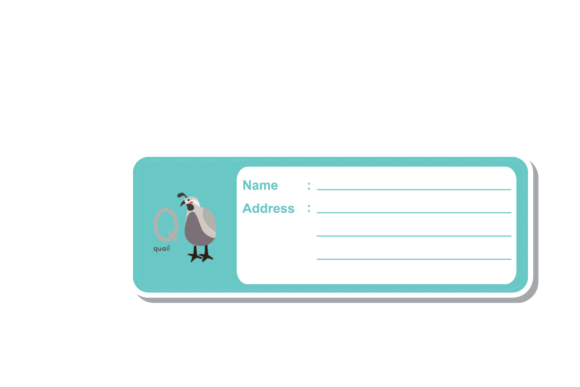
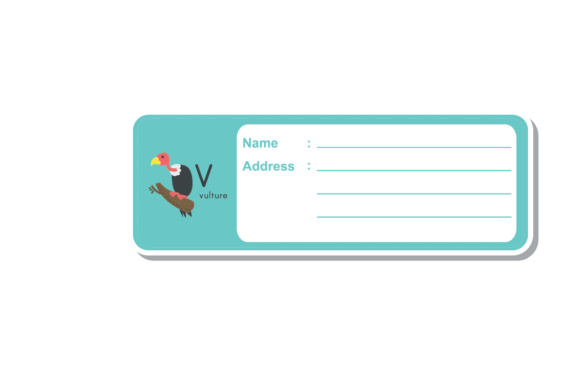
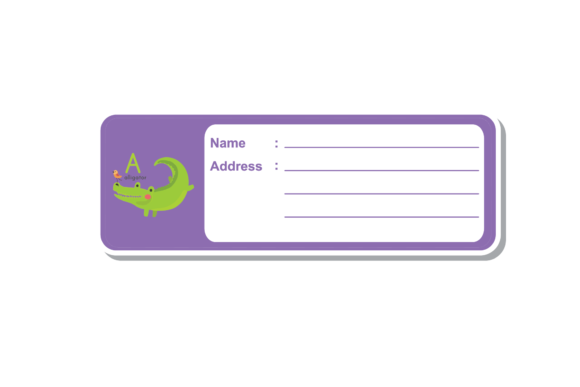
Labels, Stickers, and Name Tags
The high‑resolution PNG file with transparent background is perfect for printing stickers. Use it on water bottle labels, pencil name tags, cubby labels, and binder covers. For a durable finish, print on adhesive vinyl or sticker paper and seal with laminate.
Party Favors and Gifts
Back‑to‑school season often includes small celebrations or classroom treats. Use the SVG to cut gift tags, treat bag toppers, or cupcake toppers. The EPS file can be opened in professional software if you need to add personalized names or dates.
Sublimation Projects
The PNG file (300 dpi, transparent) is ideal for sublimation printing onto polyester blanks. Make custom tumblers, mouse pads, or drawstring bags with the Little Genius theme. Since the PNG has no background, it layers cleanly over colored substrates.
How to Open and Use Each File Type
One of the most common questions from beginners is “Which file do I use with my machine?” Here is a simple guide:
- For Cricut Explore, Cricut Maker, or Cricut Joy: Use the SVG file. Upload it directly into Cricut Design Space. The software will recognize the cut lines and allow you to adjust size, color, and layering before cutting.
- For Silhouette Cameo or Portrait: If you have the free edition of Silhouette Studio, use the DXF file. It will open as a vector shape ready to cut. For the Designer Edition or higher, you can also use the SVG file.
- For Adobe Illustrator or Inkscape: Use the EPS or SVG file. Both maintain full vector editability. You can change colors, add text, or combine elements.
- For printing at home or at a print shop: Use the PNG file. It has a transparent background and high resolution, so it prints cleanly on white or colored paper. The JPG works as a backup when transparency is not required.
- For laser engraving or cutting: Use the SVG or DXF file, depending on your machine’s preferred format.
Tips for Getting the Best Results
Even the best digital files need a little know‑how to shine. Keep these points in mind:
- Always unzip the downloaded folder before trying to open a file. Your computer or cutting software may not recognize a compressed file.
- Use 300 dpi for print projects. The PNG file is already set to this resolution, so it will print sharp. Avoid enlarging a PNG beyond its original size, as it may become pixelated. If you need a larger print, use the SVG or EPS to scale up infinitely.
- Check your material settings. For iron‑on vinyl, adjust the cut pressure and blade depth according to your machine’s recommended settings for the specific brand of material you are using.
- Layer with care. Many back‑to‑school designs come as single-color cuts. If you want multiple colors (e.g., a yellow bus with black wheels), open the SVG in design software first, separate the parts, and assign each piece a different color layer.
- Test cut first. Before cutting a large batch, run a small test on scrap material to make sure the design cuts cleanly and weeding is easy.
Clearing Up Common Misunderstandings
Because digital crafting is still relatively new to many people, a few myths tend to pop up around SVG files.
- “I need a special subscription to open SVG files.” Not true. Many free programs like Inkscape and the basic version of Silhouette Studio support SVG or DXF. Cricut Design Space also accepts SVG files with any membership level.
- “PNG files are only for digital use.” While PNGs are great for screens, a 300 dpi PNG prints beautifully on paper, vinyl, and fabric when used with the correct printer and ink.
- “EPS files are outdated.” EPS is still widely used in professional print environments and vector editing. It remains a reliable format for transferring designs between different software.
- “You can only make one item per download.” For personal use, you can use the files as many times as you like. Most sellers also offer a commercial license option if you want to sell finished products.
How Little Genius Back to School Files Fit Into Modern Life
In today’s world of personalization, being able to create custom school gear in an afternoon is a huge advantage. Parents no longer have to settle for generic store‑bought items that may not fit or reflect their child’s personality. Teachers can coordinate their classroom theme down to the last pencil flag. Small craft businesses can quickly produce seasonal inventory without holding physical inventory—they simply download, cut, and ship.
The instant digital download model also supports flexibility. If you need a last‑minute gift for a teacher or a quick shirt for a “first day of school” photo, you can purchase, download, and start crafting within minutes. No trips to the store, no shipping delays, no minimum orders.
Furthermore, the combination of SVG, PNG, EPS, DXF, and JPG ensures you are never locked into a single piece of software or hardware. Whether you are a dedicated Cricut user just starting with Silhouette, or you prefer to edit in Adobe Illustrator before cutting, the included formats give you complete freedom.
Final Thoughts on Your Little Genius Download
When you purchase a Little Genius Back to School SVG bundle, you are not just buying a picture—you are buying a toolkit. The 1 SVG file handles your Cricut and vector editing needs. The 1 DXF file supports Silhouette users. The 1 EPS file satisfies professional designers. And the 1 PNG file (300 dpi high resolution with transparent background) plus the 1 JPG file cover all your printing and previewing requirements.
Whether you are crafting for one child or an entire classroom, these files save you time, expand your creative options, and deliver professional‑looking results. So go ahead—unzip that folder, pick your favorite file, and start making something wonderful for the new school year. Your little genius (and their teacher) will thank you.
Thank you for shopping and happy crafting!